

Key Takeaways:
Duke Energy issues shoreline permits in NC for docks, seawalls, and other work at or below the 760 line.
The state buffer keeps the first 50 feet above full pond vegetated.
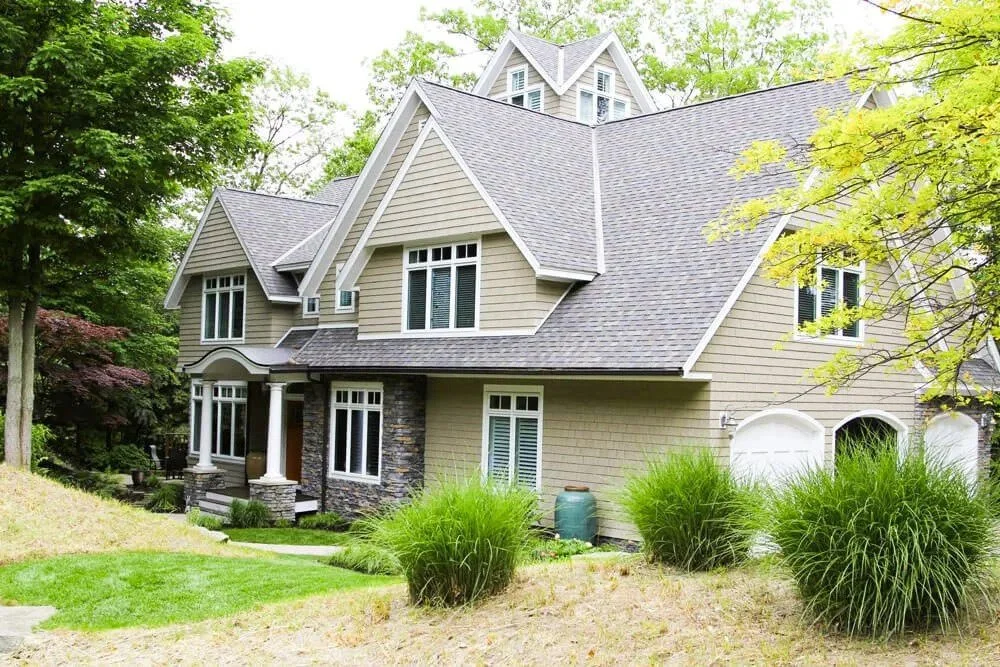
Plan lakefront home design around the view, the slope, and local setbacks.
Lake Norman is picturesque. Its tree-lined shore is home to some of the most beautiful properties in North Carolina, and its waters are an outdoor hub for family recreation. The lake is a symbol of manmade beauty, a result of Duke Energy’s Cowans Ford Dam on the Catawba River.
The state’s inland sea, as it’s lovingly called, covers over 32,500 acres with 520 miles of winding shoreline. Many people dream of claiming even a small lot along its borders. If you’re one of these people, and you’re looking to purchase lakefront property in one of the lake’s thriving communities (Cornelius, Davidson, Denver, Huntersville, or Mooresville), you’ll want to be aware of existing setbacks, design requirements, and shoreline permits in NC.
While the rules of waterfront home construction along the Lake Norman shore seem intimidating, they’re nothing to fear. They force waterfront home builders to be creative, and they help homeowners respect the combination of natural and manmade beauty the area has maintained for more than 60 years.
What Should You Know Before Building a Waterfront Home on Lake Norman?
There are essentially three layers of rules when building a lakefront home along Lake Norman’s shores: Duke Energy’s shoreline rules, the state’s Catawba River buffer, and local zoning. Duke Energy owns or controls the lakebed and, in places, an upland strip, under its Federal Energy Regulatory Commission (FERC) license.
The Catawba River buffer protects the first 50 feet of land past the 760-foot full pond line, but what is the 760 line on Lake Norman? It’s the lake’s full level, 760 feet above sea level, and it marks the edge of Duke Energy’s project boundary. This buffer affects all property along the river and its connected lakes, including Lake Norman.
A lakefront home design must ensure the first 30 feet past the 760 line, Zone 1, remains vegetated and mostly undisturbed. The next 20 feet, Zone 2, also needs to stay vegetated, but it allows for grading, as long as Zone 1 isn’t affected.
A Lake Norman waterfront home builder also works within local zoning laws. The lake is bordered by four counties: Catawba, Iredell, Lincoln, and Mecklenburg, each with its own zoning, setback, and watershed rules. Waterfront communities may also have their own home design guidelines. Local lakefront home builders can help you understand and adhere to these requirements without sacrificing structural beauty.
What Are the Shoreline Permit Requirements for Lake Norman?
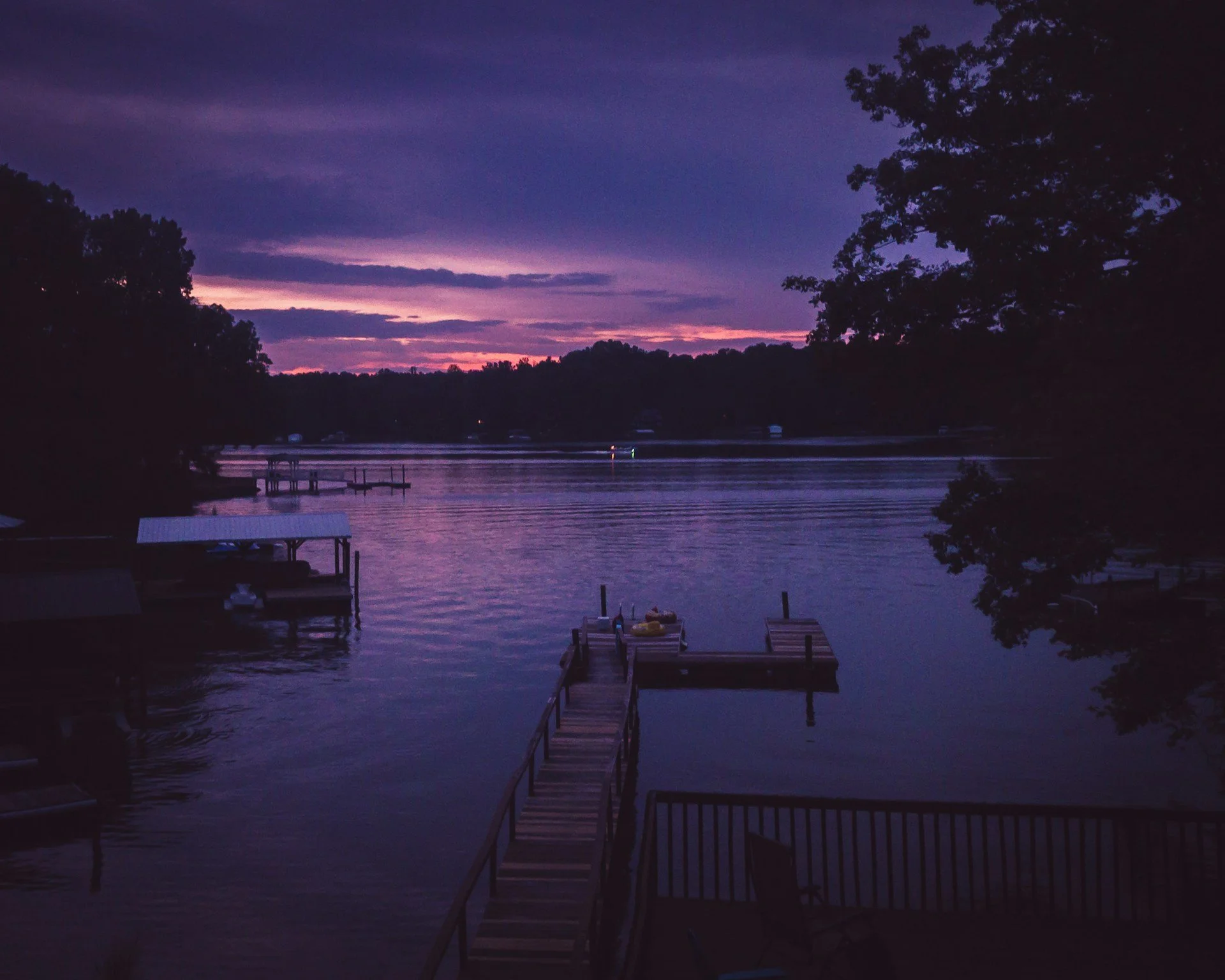
To build, change, or maintain anything on Lake Norman, such as docks, seawalls, or riprap, you need shoreline permits in NC. Duke Energy, as the lake’s landlord, is the permitting body. For any waterfront construction on Lake Norman, applications go through Duke’s online Lake Access Permit System (LAPS).
Despite the name of the system, lake access for boating, fishing, or swimming doesn’t require a permit. You only need a permit for construction and maintenance.
Once you submit a permit application, a Lake Services representative inspects your property, checking its shoreline classification. If a permit is approved, it’s only good for one year, so it’s important to have your waterfront home builder or contractor lined up before you apply.
Fees for permits went up in January 2025. You can find a current fee schedule on the Duke Energy Permits for Shoreline Activity page (linked above).
Additionally, if you’re wondering whether you can build a dock on Lake Norman, the answer is yes, but with caveats. Your lot’s shoreline classification determines what’s allowed. A dock generally can’t reach more than a third of the way across the cove; narrow coves may allow a smaller dock or none. As of July 1, 2026, Duke Energy no longer reviews new private dock applications for lots without a home built or under construction. A waterfront home builder can plan the dock alongside a lakefront home design to keep permitting and the timetable on track.
How Do Shoreline Setbacks Affect Lake Norman Waterfront Construction?
A shoreline setback defines your lot’s buildable area. It includes the 50-foot Catawba River buffer plus any county or town setbacks from water and property lines. The local numbers vary, so skilled lake home builders know to check with the area’s zoning office. It’s also important to note that Duke Energy doesn’t grant variances to deeded setbacks.
Though setbacks work separately from shoreline permits in NC, Duke Energy may hold a flood easement on your lot. These easements can reach 10 feet or more vertically above full pond, and Duke’s Shoreline Management Plan strongly recommends keeping permanent structures out of them.
An experienced Lake Norman waterfront home builder understands shoreline setbacks and current rules regarding permanent structures. They’re able to work within these regulatory boundaries to create homes suited to your lifestyle and needs.
What Should You Consider When Designing a Lakefront Home?
Home design starts with the lot and the view. You want your home to take full advantage of the lake and picturesque sunrises and sunsets. Then, because many lots slope toward the lake, you’ll want to be aware of the grade and buffer zones. Your builder will help you understand the possibilities of your lot.
A luxury waterfront home builder knows how to lay out home footprints and living spaces to take full advantage of the view and property. They’ll take your ideas for big windows, a wraparound porch, or a deck for entertaining and figure out how to make it a reality. Knowledgeable builders also understand the Catawba River buffer rule allows for a path up to six feet wide leading to your dock, as long as no trees come out and it isn’t paved.
In waterfront construction on Lake Norman, the outdoor spaces matter as much as any home interior. The Lakeview Building Group portfolio shows how homeowners around Lake Norman have put these ideas to work.
How Do You Choose the Right Lake Norman Waterfront Home Builder?
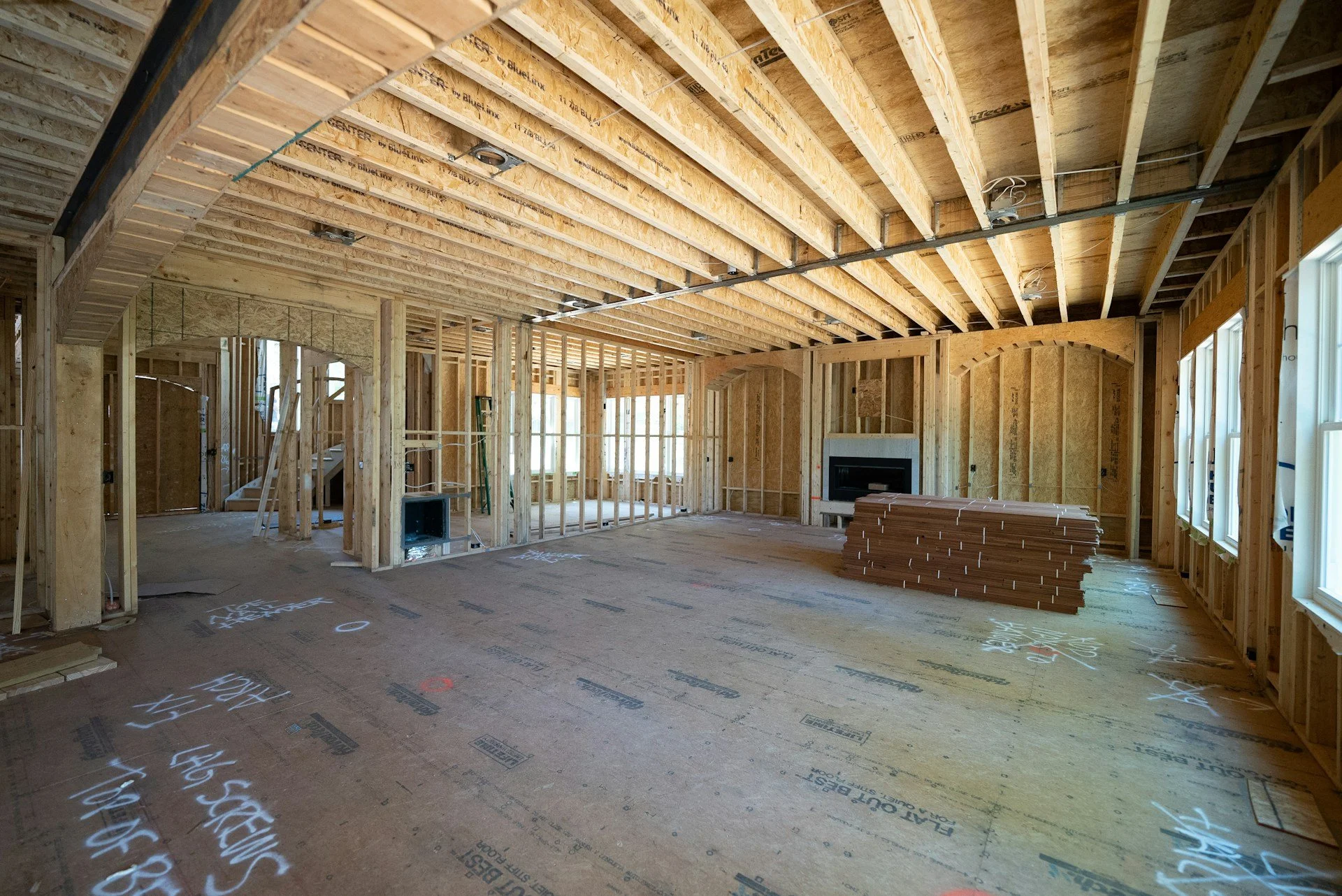
The permit information, county and city setback details, state buffer considerations, and Duke Energy’s authority are a lot for any prospective homeowner to take in, especially when they want to build a brand new home. Choose a local and experienced builder to take the pressure off; a firm that already knows and understands the rules.
Lakeview Building Group has 45+ years of combined residential construction experience. Our process is built around communication and transparency. We want you to feel empowered and excited about your new home, which is why we use JobTread, a project management tool that keeps you updated on decisions, schedules, and budgets.
Let’s get started with your homebuilding journey. Contact Lakeview Building Group, your Lake Norman waterfront home builder, today.
FAQs
Can I clear trees for a lake view?
There are strict limitations on complete tree clearing near the water. However, you can work with existing trees to open up a lake view. The Catawba River buffer rule allows thinning underbrush and limbs on the lower half of trees, but no stems over 3 inches across. Duke Energy may approve limited clearing on its land after a home is built.
How long does a Lake Norman waterfront build take?
Waterfront construction on Lake Norman typically takes 10 to 18 months, depending on the size of the house, its design, and permitting.
Does a dock permit from Duke Energy transfer when I buy a lakefront home?
A dock permit doesn’t automatically transfer from a previous owner to a new owner. As the new owner of the property, you’ll need to apply through Duke Energy’s LAPS, which leads to a dock inspection to confirm it matches what was permitted. If the inspector finds unapproved changes, as the new owner, you’re usually responsible for fixing them.
